The pitch was simple: replace your sales development team with an AI that researches, writes and sends outreach around the clock. No ramp time, no turnover, no commission.
Here is how it often played out. Month one, the dashboard is impressive: thousands of emails sent, hundreds of accounts "engaged". Month two, someone notices the replies are mostly unsubscribes and the meetings are with students and competitors. Month three, a prospect forwards a message to your CEO that gets their company name wrong and references a product they stopped selling. The tool is quietly switched off, and the domain it was sending from takes weeks to recover.
Many revenue leaders tried autonomous AI SDRs. Many turned them off. It is worth understanding why, because the underlying technology is genuinely useful when it is set up differently.
What the evidence says
In early 2025, TechCrunch reported claims from people inside one prominent AI SDR company that a large share of customers left within months, figures the company disputed. Another vendor's chief executive has spoken publicly about early products having low response rates and high churn. The pattern is consistent enough to take seriously.
The wider market is learning the same lesson. Gartner predicts that over 40% of agentic AI projects will be cancelled by the end of 2027, citing escalating costs, unclear business value and inadequate risk controls. Autonomous outbound hits all three.
Why autonomous outbound underdelivers
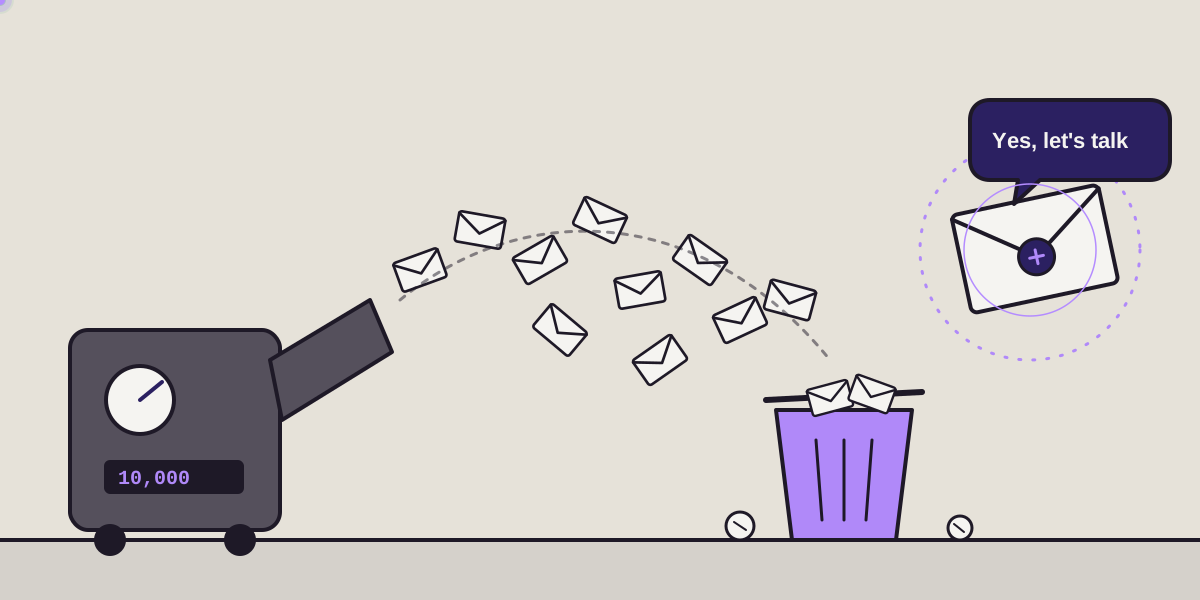
Volume is not the constraint. Most B2B teams already send more than their market wants to read. Doubling the volume of average messages does not double meetings; it mostly doubles unsubscribes and spam complaints.
Context is thin. An agent working from a scraped profile and a website summary cannot know your pricing, which customers you win against which competitor, or what was said on last month's call with the same account. The messages read like they were written by someone who has never sold your product, because they were.
Nobody owns quality. When no person reviews what goes out, mistakes compound silently: wrong names, wrong claims, wrong tone, sent at scale. Brand damage does not show up on the dashboard until a prospect complains.
The data underneath is messy. Agents treat the CRM as truth. Duplicates, stale contacts and missing fields become wrong targets and wrong personalisation, at machine speed.
Deliverability is a shared resource. Every bad send costs sender reputation, and that reputation is shared by your reps' real conversations too. Autonomous volume spends it fast.
Nobody learns from the results. When a rep's email gets a sharp reply, they adjust the next one. An autonomous system usually optimises for opens and clicks, which reward subject lines, not relevance. The feedback that would improve it (why a buyer said no, which accounts were a poor fit) never reaches it.
The hidden cost of a failed pilot
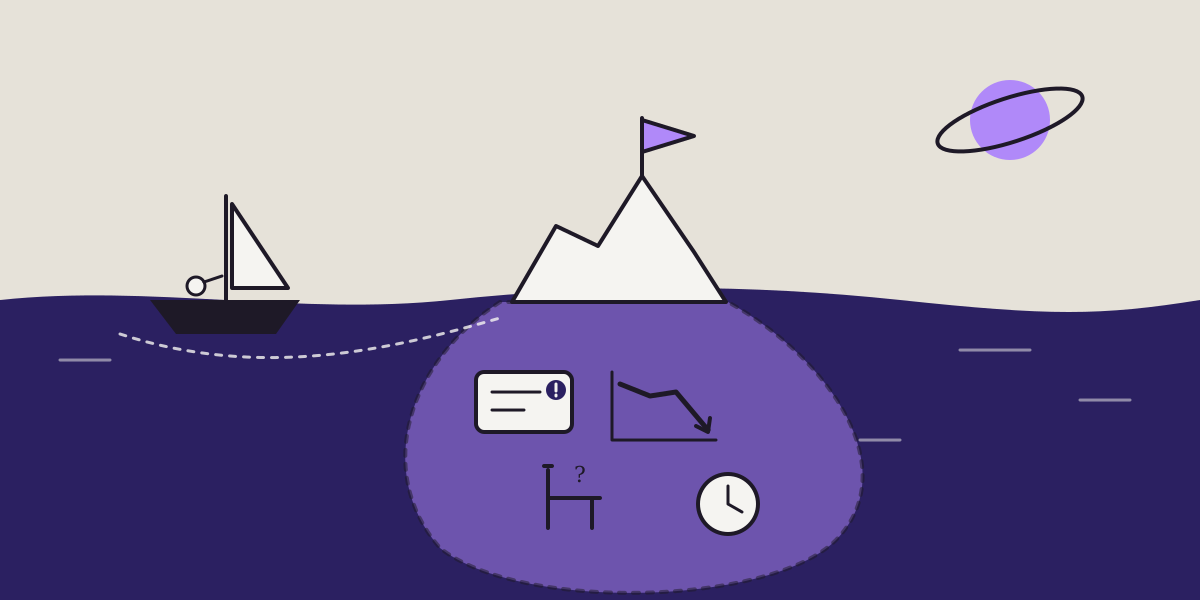
The licence is the smallest part of what a bad autonomous rollout costs. The larger costs arrive later and land on other teams.
- Domain damage. Spam complaints and bounces can push a sending domain onto blocklists. Recovery means weeks of reduced sending, new domains and warm-up, and your reps' real follow-ups land in spam in the meantime.
- Burned accounts. A target account that received three clumsy automated messages is harder for a person to open later. Some of your best-fit accounts are now actively unimpressed.
- Polluted CRM data. Automated activity logs, fake "engaged" statuses and junk meetings make the pipeline look healthier than it is and distort forecasts.
- Lost trust in AI. After one visible failure, the sales team is wary of the next AI project, including the useful ones.
None of this shows up in the vendor's dashboard. It shows up in your marketing team's deliverability reports and your CEO's inbox.
The model that is working
The teams getting results treat AI as a force multiplier for people, not a replacement. The agent does the work that is slow, repetitive and research-heavy. A person does the work that needs judgement and carries reputation: deciding who to contact, what to say, and taking the meeting.
In practice, that splits the workflow into clear lanes. The agent never sends a first touch to a new buyer on its own, and the rep never starts from a blank page.
Give the agent real context
The biggest quality jump comes from what the agent can read, not which model it uses. A good outbound agent needs the same inputs a good rep would ask for. If a new hire would need it to write a sensible first email, the agent needs it too.
Put the review where reps already work
Review only works if it is fast. A queue of drafts in Slack or the CRM, with one-click approve and edit, takes a rep a few minutes a day. A separate tool with its own login gets ignored.
Show the rep why the agent chose this account and what it read, next to the draft. A rep who can see "new VP Sales, three pricing visits, last call in May" can judge the draft in seconds. A rep who sees only the email has to redo the research to trust it.
Pegasus agent08:30
4 drafts ready for review. Top one: Globex, new VP Sales started 3 weeks ago.
Rep08:34
Approved 3. Edited the Globex one to mention their EMEA launch.
Measure what matters
Stop measuring emails sent. Measure meetings per 100 accounts contacted, reply quality, and the edit rate: how often a rep changes the draft before sending. A falling edit rate is the clearest sign the agent is learning your voice and your market.
Add two guard metrics so a good month does not hide a slow leak: spam complaint rate per sending domain, and the share of meetings that sales accepts as qualified. If either moves the wrong way, slow down before scaling up.
Expand autonomy only where it is earned
Autonomy is not a switch; it is a set of permissions you grant task by task. When the edit rate on, say, follow-up reminders to existing conversations stays near zero for a month, let the agent send those on its own. Keep first touches to new buyers under review much longer.
A sensible order is: internal research briefs first, then CRM updates, then follow-ups inside conversations a person started, and first touches to new buyers last, if ever. Each step is a separate decision with its own evidence, and any step can be taken back if quality slips.
Questions to ask an AI outbound vendor
Before a pilot, a few questions show quickly whether a tool was built for volume or for quality:
- Can a person approve every message before it sends, and is that the default, not an add-on?
- What can the agent read? Only public data, or your CRM history, call notes and positioning too?
- How does it learn from edits and rejections? If a rep rewrites a draft, does the next one change?
- How does it protect deliverability? Sending limits per domain, bounce handling and automatic pauses on complaints.
- What does it log to the CRM, and can you tell an agent action from a rep action afterwards?
Vague answers here are a preview of the problems you will be fixing in month two.
A simple test before you buy
Run any AI outbound tool on one small segment for four weeks, with a person reviewing every message, alongside your current approach on a matched segment. The comparison below is the shape of result to look for. Use your own numbers.
Meetings per 100 accounts contacted
Agree the rules of the pilot before it starts, so the result is evidence rather than a vendor demo. Most failed pilots skipped at least two of these.
- One segment, matched against a controlsame size, same fit, same period
- A person reviews every messageand records whether they edited it
- Track meetings, not sendsmeetings per 100 accounts contacted
- Watch deliverability weeklybounce, spam complaints, domain health
- Decide at week fourexpand, adjust or stop, on the numbers
Fix the record first
Every point above assumes the agent is reading a CRM worth trusting. If accounts are duplicated and contacts are stale, even a well-supervised agent will waste your reps' review time on the wrong people. Our article on RevOps before AI covers the five checks to run before any agent goes near your CRM.
Where to start
Pick one segment where you already know what good looks like. Set up an agent to research and draft, a rep to approve, and a scorecard to compare against your current process. Four weeks is enough to know whether it is working.
That is how our Core program, with a revenue intelligence focus, runs: signals, research and drafts built into your CRM and Slack, with your reps approving every message until the numbers say otherwise.
Put this playbook to work
Book a call and we will apply it to your organisation with your teams.