Here is a test for any revenue team. Without looking anything up, answer three questions about your main competitor:
- What did they change on their pricing page in the last 90 days?
- Which roles are they hiring for right now?
- What are their customers complaining about in public reviews?
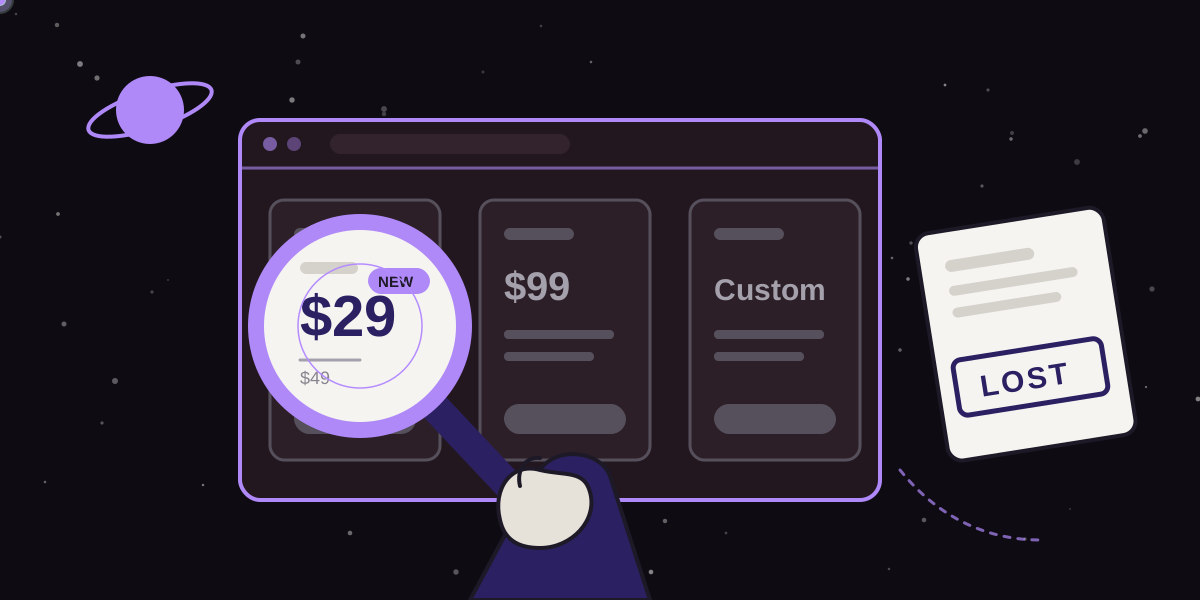
Most teams cannot answer any of them. They find out the hard way. A rep is three weeks into a $60k deal when the prospect mentions, almost in passing, that the other vendor "just launched a starter plan at half the price". The rep has never heard of it. Neither has their manager. Product marketing finds out from the deal review, a week after the deal is lost.
The information was public the whole time. It was on the competitor's website, in their job ads and in their customers' reviews. Nobody was reading it.
Why competitive intelligence goes stale
Nobody decides to ignore competitors. The problem is that tracking them is nobody's job, so it becomes everybody's occasional hobby.
Product marketing builds a battle card once or twice a year, usually before a sales kick-off. Sales hears rumours on calls and drops them in a Slack channel, where they scroll away within a day. Leadership reads the occasional funding announcement. The result is a picture of the market that is months out of date, stitched together from anecdotes, and trusted by nobody.
Meanwhile, competitors leave a public trail every single week:
- Website and pricing changes: new packages, new tiers, removed plans, new comparison pages aimed at you.
- Messaging shifts: new headlines, new industries named, a new category they are trying to own.
- Hiring: a cluster of enterprise sales roles, a first hire in a new country, a product team for a feature you do not have yet.
- Customer reviews: the complaints that tell you where to attack, and the praise that tells you where not to.
- Product releases and partnerships: what they shipped, and who they now integrate with.
All of it is public. Very little of it is read, and almost none of it reaches the rep who needs it before their next call.
What it really costs
Competitive blind spots rarely show up as one big loss. They show up as a slightly lower win rate, slightly more discounting, and slightly longer cycles, spread across every deal where the competitor appears.
Take a team that runs 200 competitive opportunities a year at an average of $50k:
- If late or missing intelligence costs 2 points of win rate, that is 4 deals, or $200k in lost new business.
- If reps discount an extra 3% to compensate for a pitch they cannot counter, on the 60 deals they win, that is another $90k given away.
- Then add the hours: reps searching for answers before calls, product marketing rebuilding cards from scratch, and leaders debating a competitor's strategy from second-hand stories.
Win rate in deals against Competitor A (a worked example)
Use your own numbers. In most B2B teams, the cost of finding out late is many times the cost of watching properly.
What good looks like
A useful competitive intelligence system is not a bigger pile of information. It is the right change, reaching the right person, soon enough to matter. In practice that means three things:
- Monitoring that runs every day, across websites, pricing pages, job posts, reviews and news, for the five to ten companies that actually show up in your deals.
- Change detection, not data dumps. Nobody needs another feed. They need "Competitor A added a free tier on Tuesday", with a link to the before and after, and one line on why it might matter.
- Delivery where people already work. A short weekly briefing for leadership in Slack or email, battle card updates for product marketing, and account-level changes written to the CRM so reps see them before a call.
How to set it up: a step-by-step playbook
You can run the first version of this without new software. The discipline matters more than the tooling.
1. Pick the competitors that actually matter
Owner: product marketing, with sales leadership. Done when: a list of 5 to 10 names, ranked by how often they appear in your deals.
Pull every closed deal from the last 12 months with a competitor recorded. If that field is empty or unreliable, ask your top ten reps. Rank by appearances and by win rate against each. The top five get full coverage; the rest get a monthly check.
2. Decide what to watch, and how often
Owner: product marketing. Done when: a written watch list like the one below.
| What to watch | Where | How often | Who acts on it |
|---|---|---|---|
| Pricing and packaging | Pricing page, plan comparison pages | Daily | Product marketing, sales leadership |
| Messaging | Homepage, product pages, ads | Weekly | Product marketing |
| Hiring | Careers page, LinkedIn jobs | Weekly | Leadership, strategy |
| Customer sentiment | G2, Capterra, Reddit, community forums | Weekly | Product, product marketing |
| Releases and partners | Changelog, blog, press releases | Weekly | Product, sales enablement |
| Account-level moves | Competitor case studies, logos, events | Weekly | Account owners, in the CRM |
3. Capture changes, not snapshots
Owner: whoever runs monitoring. Done when: every change is logged with date, source, before and after, and a one-line "so what".
A good entry reads: "Competitor A, pricing page, 14 Oct. New Starter plan at $29 per user, up to 10 users, no SSO. Before: lowest plan was $59. So what: expect them in small-team deals; our counter is onboarding time and SSO on every plan." The "so what" is what turns information into intelligence.
So what: expect them in small-team deals at half your entry price. Lead with onboarding time and SSO on every plan.
4. Deliver it where people work
Owner: product marketing for the briefing, RevOps for the CRM. Done when: the briefing goes out on the same day each week, and account-level changes appear on the account record.
Keep the weekly briefing to five items or fewer, ordered by impact on deals. If a week has nothing important, say so in one line. A briefing that cries wolf stops being read.
3 changes this week, 1 that affects open deals
ToCRO, VP Sales, Head of Product Marketing
SubjectCompetitor briefing, week 42
1. Competitor A launched a Starter plan at $29 per user. Expect them in small-team deals. Counter: onboarding time and SSO on every plan. Source: pricing page, 14 Oct.
2. Competitor B posted 6 enterprise sales roles in Germany. Likely a DACH push next quarter. Source: careers page.
3. Competitor C reviews mention slow implementation twice as often as last quarter. Worth a line in our proof. Source: 140 public reviews.
5. Close the loop with sales
Owner: sales enablement. Done when: reps can flag what they hear on calls in one click, and the monthly review checks which changes actually showed up in deals.
The field is the best early-warning system you have. A rep hearing "they offered us a free pilot" is a signal worth checking against the public trail, and the two together are far more reliable than either alone.
Where AI agents help, and where people decide
This is a good job for AI agents because the work is repetitive, the sources are public, and the output is a draft for people to judge. An agent can check every source daily, compare today's page with last week's, ignore cosmetic edits, summarise what changed and why it might matter, and cite exactly where it found it. It can also read hundreds of reviews and tell you that "implementation time" complaints about a competitor doubled this quarter.
What it should not do is decide your response. Whether to match a price, change a message or ignore a move is a judgement about your strategy, your margins and your customers. That belongs to people. The agent's job is to make sure those people see the change in days, not quarters, with the evidence attached.
Two guardrails matter. First, every claim in a briefing should link to its source, so nobody repeats a rumour to a prospect. Second, anything written to the CRM should be clearly marked as monitored intelligence, so reps know where it came from.
Where to start this week
Three steps, with nothing to buy:
- Name your top five competitors from last year's deals.
- Save a copy of each one's pricing page and homepage today. Next Friday, compare them. You will probably find at least one change nobody mentioned.
- Send a five-line briefing to your sales leaders, and ask which item they would act on. Their answer tells you what to watch most closely.
Run it by hand for a month and you will know exactly what is worth automating. That is what our Core program, with a commercial intelligence focus, builds: competitor and pricing monitoring with change detection, account intelligence and a weekly executive briefing, delivered to Slack and your CRM.
Put this playbook to work
Book a call and we will apply it to your organisation with your teams.