A standard statement of work assumes you know exactly what you are buying. AI engagements rarely start that way. The value depends on your data and processes, the running cost depends on usage, and the best design often only becomes clear after the first workflow is live.
That does not mean procurement should accept open-ended time and materials. It means structuring the contract around phases, measured outcomes and ownership, so you can stop at any gate and keep everything you paid for.
The problem, and who has it
Business sponsors want to start quickly. Suppliers propose large fixed programmes or loose retainers. Legal is asked to review AI terms nobody has seen before. Finance discovers the monthly model and platform bills after go-live. Procurement sits in the middle, often brought in last.
The steps
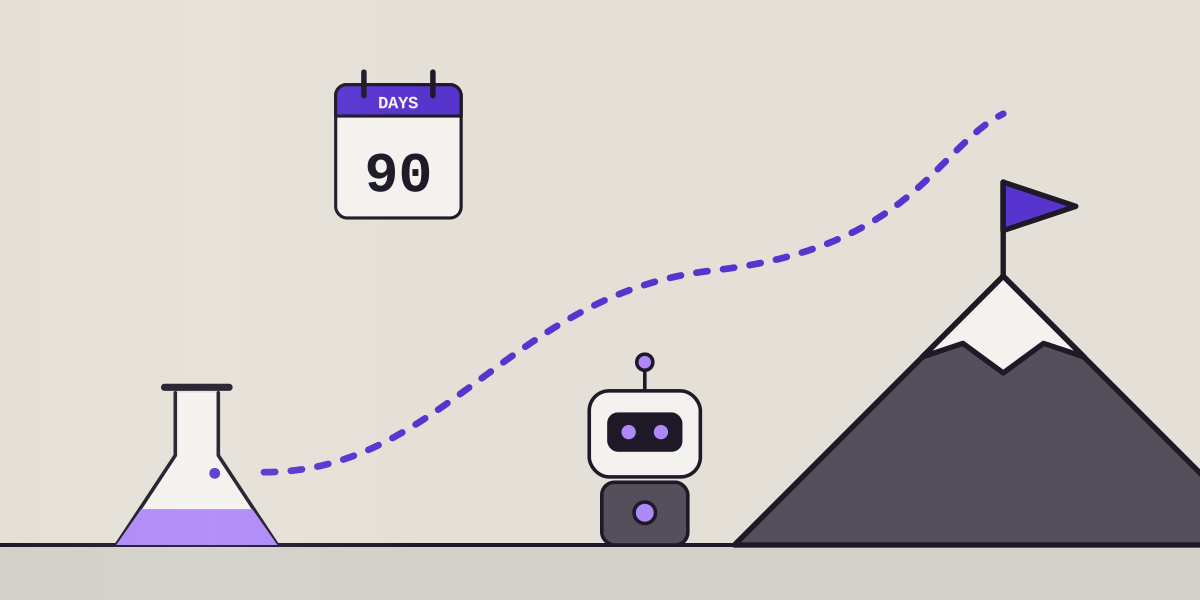
1. Buy in phases, each with an exit. Split the work into discover, prove, scale and run. Price and approve each phase on its own, with a written gate at the end and no penalty for stopping. The supplier earns the next phase by delivering the last one.
2. Write the baseline and the outcome into the contract. Record today's cost, time and error rate for the target workflow, signed by the business owner. Define acceptance as measured results on real cases, such as evaluation scores, cycle time or accuracy, not a successful demo.
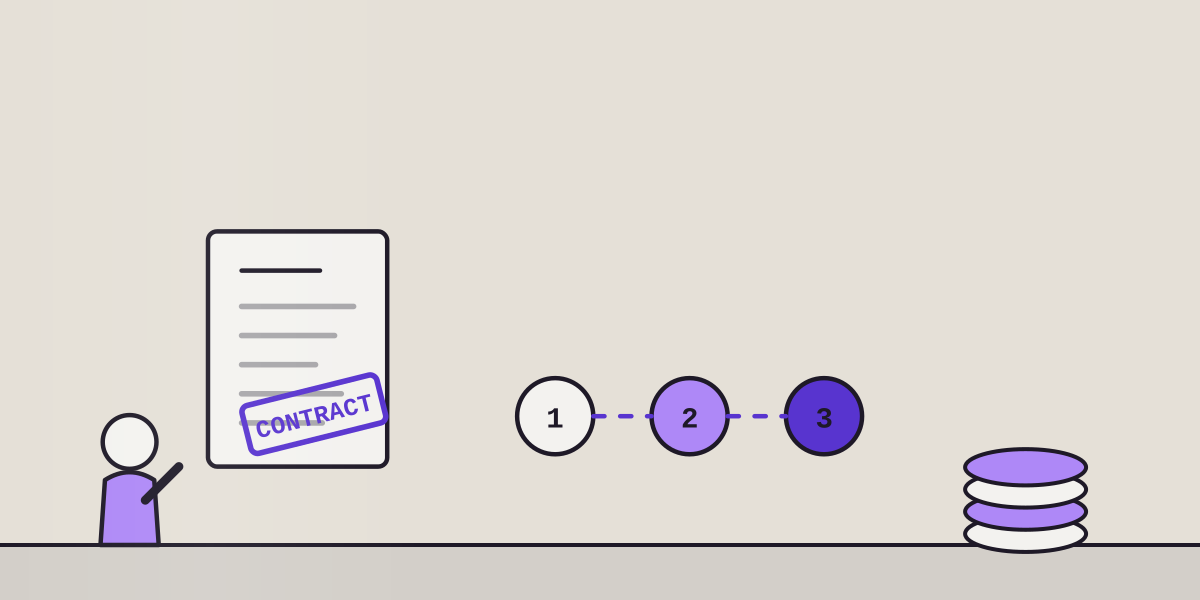
3. Separate build cost from run cost. Ask for the cost to run one task, the expected monthly volume and the resulting run cost, with alerts and a cap. Prefer model and platform accounts in your own name, billed to you directly, so costs stay visible and transferable.
4. Own everything that is built. Code, prompts, workflow and agent configurations, evaluation sets, documentation and dashboards should be yours, in your accounts, from day one. Ask for a handover plan as a deliverable, not a favour.
5. Set data and security terms early. A data processing agreement, the regions data may be processed in, a commitment not to use your data for model training, a named list of subprocessors, access removed at handover and a breach notification period. Send these with the request for proposal, not after selection.
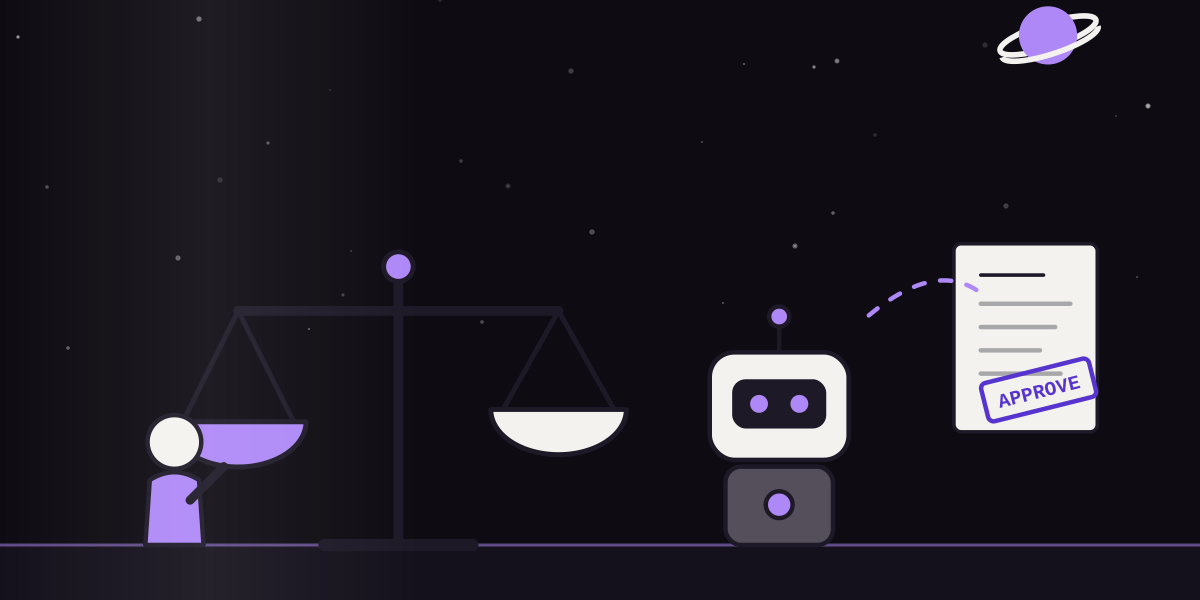
6. Add the terms AI needs. Human approval points for consequential actions, how long action logs are kept and how you export them, notice before the underlying model changes, your right to audit, and cooperation if a regulator asks how an agent made a decision.
7. Score suppliers on how they deliver, not only on price. Weigh fit with your workflows, references in similar environments, the delivery method and gates, governance practice, and independence. Ask every supplier to disclose referral or partner fees from the vendors they recommend.
8. Keep change control simple. Agree a short change process with a named owner on each side, so new findings in one phase can reshape the next without renegotiating the whole contract.
Who signs off
The budget owner signs the baseline, outcomes and phase budgets. Legal signs the data, IP and AI-specific terms. The CISO or security team confirms the security schedule. Procurement owns the supplier scorecard, the phase gates and change control.
What good looks like
- A contract you can stop at any phase gate without losing what you paid for.
- Acceptance based on measured results against a signed baseline.
- Run cost per task known, monitored and capped before go-live.
- Every account, credential and artefact in your name.
- AI terms agreed once and reused for the next supplier.
Questions to ask any AI supplier
- What will we have, and own, if we stop after the first phase?
- How will you measure success, and against what baseline?
- What will one task cost to run, and who pays the model bill?
- Do you receive fees from any vendor you might recommend to us?
- Where will our data be processed, and by whom?
- How do we get the full action log if we leave?
This playbook is general guidance for procurement teams, not legal advice. Have your counsel review contract terms for your jurisdiction.
Put this playbook to work
Book a call and we will apply it to your organisation with your teams.